Thursday, November 5, 2009

In the Jailhouse Now

“I told him once or twice
quit playin' cards and shootin' dice
He's in the jailhouse now”

Soggy Bottom Boys

IMG_3801

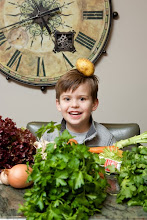
A few weeks ago when I told my little locavore that I was going to jail, he looked a little alarmed. A common shriek of his when angry is “you’re going to jail.” We’re not sure where he picked that one, but news of my visit seemed to induce some guilt. Seeing this, I reassured him that I would be home in time to pick him up from school. My visit was simply a field trip to see one of the most interesting projects of Chicago urban agriculture.

IMG_3796

On a rainy Friday afternoon, I travelled down to the south side to the Cook County jail near 30th and California with my friend Nina Winston of the Downtown Farmstand. Nina had arranged for us to meet with David Devane, Executive Director of the Department of Community Supervision and Intervention and to see the garden project that he initiated at the jail.

Built on the site of the Contagious Diseases Hospital, the jail holds non-violent, non gang offenders, mostly on drug and alcohol related charges. As Devane said, these are the “crème de la crud” of the criminal justice system.

Inspired by a similar project in San Francisco, Devane began the garden project in 1993. 16 years later, the garden has blossomed to 13,000 square feet, producing about 3 thousand pounds of produce. Each year, a group of detainees are selected to participate in the garden program. After completing it, they earn a Master Gardener certificate from the University of Illinois. Devane noted that the jail has tracked recidivism and has concluded that those graduating the program have experienced it a far lower rate. According to garden manager Mike Taff, as reported by Mr. Brown Thumb on Chicago Now, the rate of recidivism for those graduating the program is 17% far below the 56% national average.

The garden grows a number of crops, including peppers, collard greens, okra, corn, giant pumpkins, and even peanuts. Currently, all the produce grown in the garden is donated to homeless shelters. The sad reality tragedy of the garden is that the only inmates who can eat from the garden are those who work in it. Due to very strict federal and state regulations about what you can feed the inmates, none of the produce grown in the garden can be used in the meals prepared for the jail’s residents.

IMG_3789
Greens

IMG_3790
A great pumpkin

IMG_3794
Peanuts

Currently, the garden graduates one “class” a year, celebrating this achievement with a harvest celebration (this year’s was documented by Mr. Brown Thumb). The garden, however, recently acquired a brand new greenhouse so Devane hopes that the garden’s ability to extend the growing season will allow it to graduate two additional classes. He also hopes that the program can become self-sustaining, selling to restaurants, independent grocers and farmers’ markets. This season, Charlie Trotter's restaurant purchased 225 pounds of produce from the garden. Devane implied that another high profile chef had expressed an interest. Devane is actively seeking new sources to sell the garden’s bounty, which afforded Nina and me the opportunity to visit and brainstorm about new outlets and sources of funding. Devane noted that while he has not yet been asked to grow a specific product by restaurants who’ve contacted, he would be happy to consider it.

IMG_3802

I returned north encouraged and more than a little muddy to pick up my little locavore quite happy to find his mom wasn’t still in the pokey.

Posted as part of Fight Back Fridays.

Sunday, November 1, 2009

Peanut Butter and Jelly Pie: Warning - Not for the Faint of Heart

IMG_4213

As I've mentioned before, our street has to be one of the friendliest in Chicago. From progressive dinners to impromptu cocktails and playgroups on the street, there always seems to be something going on and Halloween is no exception. After the trick-or-treaters have gone home to admire their loot, the adult treats come out in a meal contributed by multiple households, including ours.

With a benefit for Healthy Schools Campaign on Thursday night, a tour of school lunch programs on Friday, and the Evanston farmers' market Saturday morning, I needed a relatively simple dish to make (or so I thought).

I had a left over pie crust and some Concord grapes from Wednesday's farmers' market. I remembered that Martha Stewart's book Pies & Tarts had a Grape pie recipe. I've had the book for years and all of recipes I've made have been simple and delicious.

Returning home around 2:30pm, I pulled out the book. Going through the recipe, it seemed easy enough. I've got all the ingredients: grapes, sugar, cornstarch and a pie crust. I rolled out and crimped my crust, leaving extra dough for garnish. Then, I turned my attention to the filling instructions. The recipe starts out telling me to halve and pit the grapes. Now anyone who's worked with Concord grapes knows that they aren't like olives or cherries. They don't have a single pit, but several. Moreover the flesh is soft and gooey, making it difficult to extract the pits. Ugh. There's no way that I wanted to spend any afternoon pitting grapes, much less Halloween. Had I not already made the crust, I probably would have bailed on this folly and brought some cheese or something. Everyone loves cheese.

Deep breath, let's proceed. I roughly chopped the grapes in the food processor and strained the grape juice. In doing so, I got about 1/2 cup of grape juice. Heating that up, I whisked in 3/4 cup cornstarch and boiled it for about 4 minutes until thick. So far, so good.

I stuck the pot in a ice bath to cool it quickly. I then scraped it into the baked and cooled crust. The color is gorgeous, deep purple and glistening. Taste is pure grape. One itty, bitty, tiny problem, it only came up about half way up the pie crust. What to do?

Sitting down, I think about what stands up to the mighty Concord grape? Why peanut butter, of course. How about a peanut butter mousse? I recalled a recipe from another of my favorite cookbooks, The New Basics. I reviewed it, the ingredients are peanut butter, cream, cream cheese and sugar, simple enough. Mix them together. I add a touch of salt. My son tasted it and gave an enthusiastic thumbs up. Spreading it in the pan, I garnished it with the grape cluster that I've made with the extra dough, complete with pastry tendrils.

Not for the faint of heart, this was a pie meant for tiny slices. I wish I could have gotten a picture of the individual slices, but our crowd scarfed it down before I had the opportuntity.

Pie Dough
Makes 2 crusts

2 ½ cup all-purpose flour
1 teaspoon kosher salt
1 teaspoon granulated sugar
2 sticks unsalted butter, cut into 1/4-inch pieces
¼ - ½ cup very cold water

Mix the flour, salt, and sugar in the bowl of a food processor. Add the butter and pulse until the mixture is crumbly, like coarse cornmeal. Pour the water through the feed tube and mix until the mixture just comes together. Wrap in plastic wrap and refrigerate for an hour or freeze.

Preheat the oven to 400 F. Roll out the dough to 1/8-inch thickness. Fit it into a 9-inch pie tin. Crimp the sides. Reserve the scraps for garnish. Prick the pie crust with a fork. Cover with aluminum foil and set another pie tin, pie weights, or dried beans on top. Bake for 8 minutes. Remove the weights and foil and bake for an additional 5 minutes or until the crust is golden. Let cool on a rack.


Peanut Butter and Jelly Pie
For 10-12 generous servings

1 9-inch pie crust
1 quart Concord grapes
½ cup granulated sugar
¾ cup cornstarch
1 pinch kosher salt
8 ounces cream cheese, at room temperature
1 cup peanut butter
1 cup granulated sugar
3/4 cup heavy cream

Chop the grapes in a food processor. Push through a strainer. Discard the seeds and skins. Strain the resulting juice through a fine mesh strainer. You should have about 1 ½ cups grape juice. Pour the juice into a large saucepan. Add sugar and cornstarch. Bring the juice to a boil, whisking constantly. Cook for 3 to 4 minutes or until thickened. Remove from the heat and set the pan in a bowl of ice water until the grape filling comes to room temperature.

Mix together cream cheese, peanut butter, sugar and heavy cream in a stand mixer until smooth.

Fill the cooled crust with the grape filling. Slather the peanut butter mousse on top. Refrigerate for 2 hours or until cold and set.


Kids' Cooking Tips
There's little that kids can't help with in this recipe. Measuring, mixing, pressing, rolling and spreading. Sticky fingers galore!

Provenance
This recipe is neither for the faint of heart nor the true locavore, but delicious nonetheless.
Butter and cream from Organic Valley (WI)
Grapes from Klug (MI)
Sugar from Wholesome Sweetener
Peanut butter from Skippy
Cream Cheese from Philadelphia Brands (in honor of those going up again the Evil Empire. Go Phillies!)

Family Feast Days: Diwali

IMG_4257

My son has a very good friend named Siddhant. As you might suspect, Siddhant is Indian (dot, not feather) and it was from Siddhant's mother, Nikita, that we first learned about Diwali.

Nikita is a talented cook and a generous friend. I still remember Thor coming home with a whole bag full of dried pappadums in a variety of flavors only days after my telling her how much we loved them. She's taught me how to make parathas and has promised a pappadum lesson this Spring. At school, she treated Thor's class two years in a row to a Diwali celebration, where they decorated the tiny clay pots associated with the holiday.

Diwali, known as the Festival of Lights, pays tribute to several Hindu legends whose central themes are the victory of good over evil. Celebrated by the illuminations of numerous lamps, candles, and clay pots filled with oil, Diwali lasts 5 days, each with its own special significance. This site is a great source of information about the meaning of Diwali and the ways that is honored around the world.

Our celebration involved a delicious autumnal Indian meal by candlelight where we talked about why Siddhant's mom was a "veterinarian" and if that made Siddhant faster and, if so, why I should then become one. I so love the complex workings of the 5 year old's mind.

Here's the menu for our non-veterinarian meal:

Red Kuri Samosas with Leek and Bacon
Cilantro Chutney
Lamb Curry with Pumpkin and Turnip Greens (I confess that I did fish out the turnip greens for Thor)
Basmati Rice
Naan

The steps can be broken down over a few days and I've noted what can be made ahead.

IMG_3958
Red Kuri Squash Samosas

I adapted the samosa dough from Julie Sahni's book Savoring India that she wrote for Williams-Sonoma. Everything I've made from it has been absolutely delicious.


Makes 16 samosas

2 cups all-purpose flour
1 teaspoon kosher salt
½ teaspoon baking powder
¼ cup vegetable oil
2/3 cup water less 1 tablespoon white wine
2 tablespoons cornstarch
¼ cup water
½ red kuri squash, peeled and steamed until tender
2 medium boiling potatoes cooked until tender and peeled after cooking
1 bacon slice
½ teaspoon cumin
1/8 teaspoon cardamom
1/8 teaspoon coriander
1 teaspoon salt
½ leek, chopped
vegetable oil for deep frying

IMG_3943

Mix together the flour, salt, and baking powder in a medium bowl. Add 1 tablespoon of wine to a measuring cup and then pour in enough water to equal 2/3 cup liquid. Add the oil to the cup and stir. Pour the liquid ingredients into the dry gradually while stirring with a fork. You want the mixture to come together just enough to be kneaded so you may have some liquid left over. Knead the dough on a floured surface until it forms a soft dough. Return the dough to a clean, oiled bowl, cover with a cloth, and let rest for ½ hour. In the meantime, make the filling.

Mash together the squash and potato. Cook the bacon until crisp. Remove the bacon to drain. Add the leek and cook until softened in the bacon fat. Sprinkle on the spices and salt and cook until fragrant, about 1 minute. Scrape in mashed potatoes and squash and cook until most of the liquid has evaporated.

Roll the dough out to an 18-inch rope between your fingers.

IMG_3950

Cut into 8 even pieces. Working with one at a time, roll a piece into a 6-inch circle. Cut it in half. Add heaping tablespoon of filling to one side. Brush with dissolved cornstarch and form a cone. Seal the edges. When finished with a samosa, set it onto a baking sheet lined with parchment, wax paper or silicone pan liner. Repeat with reamining samosas. Samosas can be frozen at this point.

Heat oil in a large, heavy pot until 325º F. Fry for about 7 minutes or until browned. If you're cooking them from the freezer, you will need to cook them a little longer. Drain and serve with cilantro chutney.


Cilantro Chutney
Makes approximately 1 cup

1 ½ cups cilantro leaves
1 ½ tablespoon chopped tropea or other red onion
½ small red chili pepper
½ teaspoon granulated sugar
1 teaspoon cumin
1 ½ tablespoon lemon juice
¼ cup extra-virgin olive oil.

Puree all ingredients in a food processor or blender until smooth.


Lamb Curry with Pumpkin and Turnip Greens
For 4 servings

IMG_4035

This recipe was also adapted from Julie Sahni's book

4 tablespoons vegetable oil
1 pound lamb meat from the leg or the shoulder, cut into 1-inch cubes
1 cup diced yellow onion
3 green cardamom pods
1 bay leaf
1 tablespoon grated fresh ginger
2 teaspoons minced garlic
2 tablespoons ground coriander
1/2 teaspoon ground turmeric
1 cup tomato puree
1 tablespoon tomato paste
2 cups chicken stock
1 1/2 teaspoons salt
1 pound piece of pumpkin cut into 1-inch pieces
1 bunch of very fresh turnip greens, thinly sliced
1 tablespoon garam masala
1/4 cup fresh cilantro chopped

Heat 2 tablespoons oil in a large, heavy Dutch oven over high heat (I used my slow cooker with the removable insert). Add the lamb cubes in batches and sear. Remove to a medium bowl. Repeat with remaining pieces.

Reduce the heat to medium and add the remaining oil to the pan. Saute the onion and the spices and salt in the oil until it is lightly browned. Add the tomato puree, tomato paste, and chicken stock and bring the liquid to a boil. Return the lamb to the pan and reduce the heat to low. Cover and cook until the lamb is almost completely tender about 1 1/2 hours. Add the pumpkin cubes and turnip greens cover and cook for an additional 1/2 hour. Taste for seasoning. Transfer to a serving dish and sprinkle with garam masala and cilantro.


Naan
Makes 8 loaves

Adapted from a recipe on About.com

1 ½ teaspoon dry yeast
½ cup warm water
1 teaspoon honey
2 cups all-purpose flour
1 cup whole wheat pastry flour
1 teaspoon kosher salt
6 tablespoons clarified butter
3 tablespoons Greek yogurt

Mix the yeast and honey into the warm water in a small bowl and stir until the yeast is dissolved. Let sit for 5-10 minutes or until it is foamy, indicating that the yeast is active. Add the flours to the bowl of a stand mixture. Pour in the yeast, 3tablespoons clarified butter and yogurt. Knead with a dough hook until the dough is soft. Add salt and knead until combined.vRemove the dough from the mixer and knead by hand for a few minutes on a floured surface. Transfer to an oiled bowl and let rise in a warm place for 1 hour or until the dough has doubled.

While the dough is rising, preheat the oven to 400º F.

After the dough has risen, punch it down and knead for 5 minutes by hand on a floured surface. Divide the dough into eight even pieces. With a rolling pin or your hands, push out each ball into an oval 1/3-inch thick. Dimple with your fingers. Repeat with the remaining dough. Brush each naan with some melted clarified butter. Bake on a lightly oiled sheet of aluminum foil set onto a baking sheet. Bake for 5-7 minutes or until the naan is gently browned. Flip and bake on the other side for an additional 5-7 minutes. Serve warm.


Kids' Cooking Tips
Kids can prepare many of the ingredients for the curry, samosas and the chutney. They can mix the dough for both the samosas and the naan. They will have a ton of fun rolling out the dough for both and filling the samosas.

Samosas are so much fun for kids to make so I'm excited to announce that Nikita has agreed to teach a family samosa making class for Purple Asparagus in January 2010. Check back here for more information.

Provenance
Red kuri squash, pumpkin, onions and potatoes from Genesis Growers (WI)
Bacon from Cedar Valley Sustainable Farm (IL)
Lamb from Mint Creek (IL)
Garlic and turnip greens from Growing Home (IL)
Cilantro from Smit's (IL)

Tuesday, October 27, 2009

A Frightful Holiday

The days of ghosts, ghouls and goblins are upon us. The decorations are up, treats bought, and costumes chosen. Halloween is only a week away. The rustling wind and long shadows take on double meaning and every echoing footstep causes me to look over my shoulder these days. Yet the fear that the spirit world inspires cannot compare to that of a parent's dread about the candy high that this week spawns.

Before I go any further, I have to say I'm no candy hater. When we crafted Purple Asparagus' mission statement, we intentionally left out any reference to the word "healthy," but instead talked about good eating. Good eating we felt was a diet high in fruits, vegetables and whole grains, which left room for sometime foods, candy included. I certainly remember loving Halloween's post-trick-or-treating where I inspected my loot, organizing it and rationing it out. I think that the big difference is, like most everything these days, a matter of degree. I would travel a 3-4 block radius in a suburban neighborhood and come home with the same amount of candy that my son gathers in one small 1/2 city block. Back then, I got one piece a house. Nowadays, people throw handfuls of the stuff like beads off of Mardi Gras floats. Then there are the parties, school and otherwise with goodie bags stocked full of candy. Boxes of treats are sent from relatives near and far. I know that my son's body will recover from a jolt of sugar shock, it's just my sanity that seems to be damaged watching him bounce from wall to wall.

For some strategies against the sugar attack, check out this recent Mindful Metropolis article for which I served as a source.

Mindful Metropolis October 2009

For a healthy alternative to the sugar fest, come see Purple Asparagus at the Evanston Farmers' Market with Now We're Cookin' as we make Witches Brew (spiced apple cider) and Bug Salsa (black bean and peppers) with Creature Chips. If you want to stay in the city, the Green City Market has an exciting line-up for their annual Halloween Party. While you're there, consider supporting the Market by becoming a member.

Bug Salsa
For 4 servings

2 cups of cooked black beans
2 tablespoons sweet onion, chopped
1 tablespoon lime juice
1 tablespoon extra virgin olive oil
½ teaspoon cumin
1/2 teaspoon kosher salt
1/2 red pepper, chopped into squares
2 teaspoons chopped cilantro

Combine the lime juice, cumin, and salt in a large bowl. Drizzle in the olive oil while whisking to combine. Add black beans, onions, cilantro and peppers and mix to combine. For a more adult version, I add 1/2 serrano chile, seeded and chopped.


Whole Wheat Tortilla Spikes
For 4 servings

1 bag whole wheat flour tortillas
Cooking spray

Preheat oven to 400º F. Slice the whole wheat tortillas into ½ inch slices. Spray a baking sheet with cooking spray and place the tortilla spikes on top. Spray the spikes lightly with cooking spray. Bake for 20 minutes or until lightly browned and crispy.


Witches Brew

1 1/2 gallon of apple cider
1 cinnamon stick
5 cloves
2 strips of orange peel

Wrap the peel and spices in cheesecloth and tie at the top. Pour the cider in saucepan and add the cheesecloth package. Bring to a simmer and cook for 10 minutes. Serve warm.


Our terrific volunteer, Gracie, who declared Bug Salsa delicious, with a friend that she recruited.

Evanston Farmers Market

Provenance
Black beans from Three Sisters, IL
Red peppers and onion from Genesis Growers, WI
Cilantro from Smit's, IL
Apple cider from Seedling, MI
Spices from The Spice House, IL

Sunday, October 25, 2009

Field Trip: A is for Apple

IMG_4106

Since our son started school, we’ve had a family tradition for the first day. While at the farmers’ market, he picks out an apple from our friend, Farmer Pete, to give to his teacher. Given that Pete raises more than a dozen different varieties of apples, my son has a lot to choose from. He has his speech memorized as it's been the same since we started. "This is an apple from my friend Farmer Pete." Next September, after today, we can add "whose farm I visit."

Pete Klein owns Seedling Orchards in South Haven, Michigan where he grows a dizzying array of fruits starting the season with rhubarb, ending with apples with berries, pears and melons in between. Within this realm, he's introduced a number of heirloom and uncommon varieties, including the fraise des bois, a tiny, wild Alpine strawberry.

IMG_4154

Today, Pete, wife, Stephanie and his two daughters, hosted their annual harvest party. It was a mix of chefs, customers, friends of the couple and friends of the children. Young and old came to pick apples, to throw apples, drink beer, eat lamb and cook s'mores over an applewood fired blaze. Thor particularly enjoyed playing football with the staff of May Street Market and his hay ride with the daughters' friends and with Gale Gand, pastry chef extraordinaire.

IMG_4093

Thanks to our gracious hosts, we returned home with a pumpkin, a bushel basket of apples, a bag full of fraises, an armful of applewood, full bellies, dirty pants, and a bunch of pictures, which I want to share here.

IMG_4132

The splendor of autumn in Michigan

IMG_4144

A windmill and an old barber shop on Pete's orchard.

IMG_4134

Bins waiting to be filled

IMG_4117

We see a touch of nature: a bird's nest among the apples.

IMG_4128

Ripe for the picking

IMG_4103

Thor ready to get some apples

IMG_4157

Now some fraises

IMG_4180

Fun on the swings

IMG_4182

And with the football

Friday, October 23, 2009

A Plateful of Politics: The Ghosts in the Garden

Halloween may not be until next week, but I've already seen a ghost. A garden full of ghosts to be exact. But before I tell my ghost story, allow me to provide a little background.

61st St. 29

It wasn’t until mid-summer this year that I made it down to the 61st Street Farmers’ Market for the first time. In July, Purple Asparagus took part in the Market’s education program, the Market School. Since it was a little slow to start and we had some extra volunteers, I took the Market's manager, Dennis Ryan, up on his offer of a tour.

The Market is located on 61st Street in Woodlawn on Chicago's south side. Despite its proximity to the President's Chicago home and the University of Chicago, Woodlawn is a neighborhood with many needs. While it has made recent strides, it still suffers from higher poverty levels and lower access to fresh and healthy foods.

61st St.30

Experimental Station, a community organization determined to develop independent cultural infrastructure to Woodlawn, founded the Market with the intent of providing the community access to buy fresh, local farm products, supporting farmers and artisans, and promoting sustainable and organic agriculture. The 61st Street Market is outside from the beginning of May until the end of October. It moves inside to the Experimental Station’s event space during November and December and is looking to establish a year-round grocery to sell kitchen staples and Midwestern farm products.

The 61st Street Market isn’t a terribly large market, but definitely one on the rise. Last year was the market’s first. Within a year, it has doubled the number of vendors and has seen a steady growth of shoppers. Ryan estimated that it had about an average of 300 committed shoppers each week during the height of this year’s season. The market has a good selection of vendors including Tomato Mountain, Genesis Growers, Growing Power and Mint Creek. While small, it feels complete. You can buy bread, beef, chicken, eggs, cheese, lamb, and of course lots of fruit and vegetables. Ryan explained that when they designed the Market, the started with the farmers in mind and created a great market for them to sell their product. Their theory was that if the farmers come, the shoppers will follow.

This is not to suggest that the Market doesn’t have a lot to offer its shoppers. The Market leadership realized that, especially in an underserved neighborhood like Woodlawn, just locating the Market there was not going to be enough. It also needed to provide education for its shoppers. The Market has accomplished this through a couple different initiatives. The Market hosts chef demos, arranges for seasonal food tastings, and organizes a Market School, in-school workshops and weekly educational programming focusing on nutrition, healthy eating and sustainability.

Since its founding, the 61st Street Farmers’ Market has been determined to make fresh, clean produce more accessible and so it has actively publicized that it accepts WIC, food stamps, and the Farmers Market Senior Nutrition Program. Recently, the Market found a way to make it even more accessible to its low income customers. With funding from the Wholesome Wave Foundation, the 61st Street Farmers’ Market is the first Midwestern farmers’ market to offer a double value coupon to its shoppers. The program will double LINK benefits up to $25 per LINK cardholder per market when they shop at the Market. The Market’s press release quoted Experimental Station co-founder and Executive Director, Connie Spreen, as saying how excited she was “to be able to bridge the gap between the higher cost of organic and sustainably grown foods and the lower incomes of may of our local residents.”

Experimental Station runs a number of different projects to help solve other problems in the community. The Blackstone Bicycle Works is a youth education program that allows boys and girls age 9-16 to work in a bike shop, learning how to repair bikes and then earn their own once they’ve worked for 25 hours in the shop. It also provides space for Backstory, a women-owned coffee/tea house and operates a kitchen with a wood-fired oven that allows for community bread baking. Experimental Station also hosts a variety of cultural events. You can sign up for their mailing list, by visiting http://www.experimentalstation.org/contact. By doing so, you’ll receive a weekly email plus an invitation to the Market’s annual fundraiser. I didn’t attend this year, but after checking out the menu, which included Pork Liver Sausage from Avec, Pickled Lamb’s Tongue on Rye Crostini from Publican and Flora’s Confections, I won’t make that mistake again.

61st St. 28

A great appeal to the Market is its setting. Just to the east of it is community garden giving the Market a semi-pastoral setting. The garden hosts row after row of individual plots, stocked with carrots, herbs, basil, chard and strawberries. Each patch reflects the personality of the keeper, some are wild, others tidy, a few incorporate ornamentation, others lawn chairs. In an open part of it, the garden has a small vine-covered pergola, seemingly perfect for coffee, lunch or an early evening glass of wine.

61st St. 12
61st St. 7
61st St. 5

The University of Chicago had lent the property to the community with the understanding that the University would get it back when it wanted to build upon it. Earlier this year, the University announced its intention to reclaim the land despite the fact that it does not plan to erect anything on the site. Instead, the land will serve as temporary staging area for construction of the Chicago Theological Seminary building. A University spokesperson has suggested that, after construction, the land may become a parking lot.

61st St. 23

According to Connie Spreen, Executive Director of Experimental Station, the University has claimed that allowing the garden to remain during construction would create a safety risk. Spreen questions the University’s rationale given that the garden remained open during the construction of the Helmut Jahn-designed chiller plant adjacent to the University’s Steam Plant on 61st Street and Dorchester. Spreen has asked the University to engage in a dialogue about a broader view of sustainability to discuss how its decision to destroy the garden will impact the community and how, if it were to allow the garden to remain, the garden could ultimately be part of a sustainable plan that would connect the community and the University. According to Spreen, the University has yet to agree to participate in such a conversation and instead has set October 30 as the deadline for all 135 households who garden on the site to vacate their plots.

61st St. 21

While Spreen is working in the 11th hour to facilitate a conversation or summon a miracle, some gardeners are contemplating how to move their plants. Others are talking about their experience with The Invisible Institute in the Garden Conversations. According to writer, interviewer and soon-to-be-displaced gardener, Jamie Kalven:

61st St. 18

"We see this as an exercise in hope as well as grief. Although we have been unable to dissuade the University from its course, we hold fast to the hope that we, and perhaps others, can learn from this situation. Amid promising developments elsewhere--from the White House vegetable garden to innovative composting operations at elite universities to the proliferation of community gardens and farmers markets across the country--we should not underestimate the potential contribution of a well-documented negative example. That, it appears, will be the final harvest from this lovely urban space that has enriched the lives of so many."

61st St. 3

I'm quite certain that the University of Chicago has not seen the irony of requiring vacation of the garden the day before Halloween. The garden will be empty on All Hallow's Eve. The graves of garden plots ripped open and exposed. I imagine a host of ghosts consoling each other and reminiscing in whispers about a decade of growing and dying, all the while wishing to see another season of rebirth that under current circumstances will not occur.

Click here for a video of Purple Asparagus' session at the Market School.

Wednesday, October 21, 2009

I Cook the Squash Electric

IMG_4055

Today, Chicago hosted Indian summer with its endless blue skies, 70 degree temperature and an electric landscape. It doesn’t make sense, but the sudden burst of warmth seems to draw my attention to the dramatic change in scenery. The trees, bushes, even the hostas have suddenly changed into their showy autumn attire. Shades of highlighter yellow, safety cone orange, and fuschia red dot the streets. How is it that the leaves seem most vibrant just before plunging to their death?

As I drove by the umpteenth blazing tree, I thought of the squash that I cooked on Sunday.

Have you tried a Red Kuri? Before Sunday, I hadn’t. In year’s past, I’ve stayed within a regular squash rotation – pumpkins, Acorn, and Butternut. Recently, I’d expanded the repertoire to include Delicata and Carnival. I love them so, and thus I’ve found it hard to move away from the favorites. Winter squash require a commitment – they aren’t the casual love of summer. They need love and coaxing to meet your needs, so it’s hard to move away from what you know.

Well, now I know the Red Kuri. With a firm, pumpkin like texture, it can be substituted easily for the sugar or pie pumpkin. The difference that it will impart is in taste and color, glorious color. The Red Kuri isn’t red, but bright fiery orange. A friend today described it as neon. The flavor, on the other hand, is mellow, with a touch of chestnut, which is what inspired the following recipe.

Red Kuri Squash Stew with Chestnut Crepes
4 servings

½ Red Kuri squash, peeled and cut into 1-inch cubes
2 ½ tablespoons butter
1 cup medium dice of yellow onion
2 small stalks of celery, cut into small dice
1 tablespoon minced garlic
¼ teaspoon cumin
1/8 teaspoon coriander
1 yellow carrot, cut into 1/8-inch thick half moons
2/3 cup tomato puree
1 1/3 cup chicken stock
½ bay leaf
1 small sprig of thyme
1/2 pint tiny brussels sprouts or medium sprouts halved

Heat 1½ tablespoons of butter over medium-high heat in a Dutch oven. Add the cubed squash and cook undisturbed lightly browned. Stir and repeat. Remove from the pan to a small bowl. Heat the remaining butter in the same pan. Add onion, celery, and carrot and sauté until softened about 5 minutes. Add garlic, cumin, coriander, and 1 teaspoon kosher salt stirring for 1 minute until the garlic and spices are fragrant. Return the squash to the pan and cover the vegetables with tomato puree and chicken stock. Add bay leaf and thyme and reduce the heat to very low. Cover and cook for 1 1/2 hours. Uncover and add the brussel sprouts. Return the lid and cook for an additional 1/2 hour or until the sprouts are tender.


Chestnut Crepes
Between 8-10 crepes, depending on how careful you are with the batter

1 cup cold water
1 cup cold 2% milk
4 large eggs
½ teaspoon salt
1 cup all-purpose flour
½ cup chestnut flour
4 tablespoons melted unsalted butter
4 tablespoons clarified butter

Blend water, milk, eggs and salt in a blender. Add flours and butter and blend for 1 minute. Cover and refrigerate the batter for at least 2 hours and up to overnight. When the batter is ready, heat a crepe pan or a non-stick saute pan over high heat. Brush a bit of clarified butter on the pan and add ¼ cup of batter, swirling to coat the bottom with a pan. Cook for 1 minute to a 1½ minute. I flip the crepes by easing it onto a salad plate, then covering the plate with the pan and flipping it over. Brown the other side for about 30 seconds. Crepes can be wrapped between sheets of wax or parchment paper and then frozen.


Kids' Cooking Tips
Kids help prepare the vegetables and in the stirring of the stew. The can mix the crepe batter. Older kids can help cook the crepes.

Provenance
Squash, carrots, onions, and celery from Genesis Growers (IL)
Garlic from Growing Home (Chicago, IL)
Tomato puree from Tomato Mountain (WI)
Brussel sprouts from Green Acres (IN)
Chestnut flour from Hillside (MI)
Eggs from Cedar Valley Sustainable Farm (IL)
Milk and butter from Organic Valley (WI)

And forgive me Walt Whitman for bastardizing your language.
 
blog design by brooksiedesign